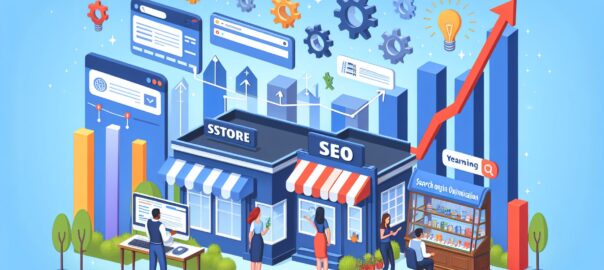
In the era of digital dominance, having a strong online presence is crucial for the success of any small business. Having an aesthetically pleasing website is not enough; it also needs to rank well on search engine result pages (SERPs) to drive organic traffic. This is where Search Engine Optimization (SEO) steps in. In this article, we will explore various SEO strategies that small businesses can implement to enhance their online visibility.
Introduction: Unlocking the Power of SEO
When was the last time you searched for a local business or service online? Chances are, it was fairly recently. The Internet has become the go-to source for consumers, and as a small business owner, you need to ensure that your website is easily found. This is where SEO becomes vital.
Search Engine Optimization refers to a range of strategies and techniques used to enhance a website’s visibility on search engines. By optimizing your website content, design, and structure, you improve your chances of ranking higher on SERPs and attracting more organic traffic. And the best part? You need not be a tech-savvy guru to implement these strategies effectively.
The Key Elements of SEO
-
Keyword Research: This is the foundation of any successful SEO campaign. The process involves identifying the keywords and phrases potential customers are likely to use when searching for products or services you offer. For small businesses, targeting long-tail keywords, which are more specific and less competitive, can be a game-changer. Several keyword research tools can assist you in finding the most effective keywords for your niche.
-
Content Creation: Create high-quality, informative, and engaging content that incorporates your targeted keywords. Regularly update your website with fresh content to keep visitors coming back. Consider starting a blog, where you can share industry trends, tips, and other relevant information. Not only does this provide value to your audience, but it also signals search engines that your website is active and relevant.
-
On-Page Optimization: This involves optimizing various elements on your website to ensure search engines can read, understand, and index your pages effectively. Key areas to focus on include title tags, meta descriptions, header tags, URL structure, and internal linking. Remember to optimize both desktop and mobile versions of your website, as more users are accessing the web on mobile devices.
-
Technical SEO: Although it may sound complex, technical SEO simply refers to optimizing the backend of your website. This includes improving site speed, ensuring proper website architecture, and fixing any broken links. A fast-loading website with a seamless navigation experience not only pleases search engines but also keeps visitors engaged.
-
Off-Page Optimization: Building authority and credibility is crucial for small businesses. Off-page optimization involves acquiring high-quality backlinks from reputable websites. Engaging in social media marketing, guest blogging, and reaching out to influencers in your industry are great ways to earn valuable backlinks.
-
Local SEO: For small businesses with a physical location, optimizing for local searches is a must. Claim and optimize your Google My Business listing, ensuring that all the information is accurate and up-to-date. Encourage satisfied customers to leave reviews, as they can significantly impact local search rankings. Also, consider submitting your business to local directories and ensuring consistency in your NAP (Name, Address, Phone Number) across all platforms.
The Benefits of SEO for Small Businesses
Implementing effective SEO strategies can reap numerous benefits for small businesses:
-
Increased Online Visibility: By appearing on the first page of search results, you significantly increase your brand’s visibility and exposure to potential customers.
-
Enhanced User Experience: SEO not only improves your website’s visibility but also enhances its usability. A well-optimized website is easy to navigate, loads quickly, and provides valuable information, resulting in a better user experience.
-
Targeted Traffic: SEO allows you to attract visitors who are actively searching for your products or services. This targeted traffic has a higher chance of converting into leads and customers.
-
Cost-Effective Marketing: Compared to traditional advertising methods, SEO is a cost-effective marketing strategy, especially for small businesses with limited budgets. While it does require time and effort, the long-term benefits outweigh the initial investment.
Conclusion: Mastering the World of SEO
In the highly competitive online space, small businesses must adapt and leverage SEO to stand out from the crowd. By conducting thorough keyword research, creating valuable content, optimizing on-page and technical elements, building a strong backlink profile, and optimizing for local searches, you can boost your online visibility and attract more customers.
Remember, SEO is a continuous process that requires diligence and patience. Staying updated with the latest trends and algorithm changes will allow you to adapt your strategies accordingly. Embrace the power of SEO, and watch your small business thrive in the digital realm.