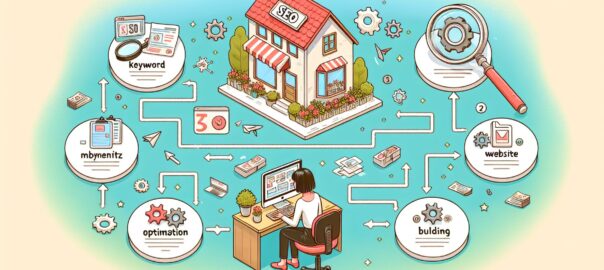
As a small business owner, you’ve probably heard about the term “Search Engine Optimization” or SEO. Although intimidating at first glance, understanding and leveraging SEO is a must in the digital age. Also, guess what? It isn’t as daunting as it may initially seem. So strap in for our beginner’s guide, and let’s delve into the mysterious world of SEO.
I. Understanding SEO basics
First thing’s first: SEO refers to a collection of techniques used to optimize your website, so it ranks higher in search results on Google, Bing, and other search engines. When used the right way, SEO can be a highly effective tool to attract potential customers to your website.
The Keyword Game
Think of your website content as a potential treasure hunters’ map, where the ‘X’ that marks the spot is an essential keyword. Keywords are the actual words or phrases users type into search engines when looking for a specific product, service, or information. By including relevant and targeted keywords in your content, you’re effectively guiding users to your site.
On-page and Off-page SEO
On-page SEO is all about what you can control within your website — the content you publish and the way it’s structured. On the other hand, off-page SEO involves strategies beyond your website, including social media, backlinks from other sites, and online directories.
II. Crucial SEO Tips for Small Businesses
SEO may initially seem like a vast and complex concept, but start by breaking it down into manageable parts.
Optimizing Your Website
Your website is, after all, your online storefront. Make sure it’s clean, welcoming, and easy to navigate. Start with your site’s design — should be mobile-friendly and load quickly. Slow-loading websites and those not designed for mobile devices often rank lower.
Ensure you use headers correctly, incorporate relevant keywords (but avoid keyword stuffing), and properly optimize your images.
Content is King
When it comes to SEO, the content reigns supreme. It gives you a chance to include the pivotal keywords and provides value for your visitor – an element that Google values when ranking websites. You can use blog posts, infographics, videos, or podcasts. What’s important is that your content is of high quality, engaging, and valuable to prospects and customers.
Link Building
In the eyes of search engines, if other reputable websites link to your site, then your content must be worthwhile and relevant. Therefore, striving for backlinks (incoming links from other websites) should be part of your SEO strategy, albeit it may take time and dedication.
Social Media and Local SEO
Leveraging social media platforms aids your SEO efforts as it drives traffic to your website. Also, consider focusing on local SEO. For small businesses, local consumer engagement is crucial, so make sure you’re appearing in local search results. Listing your business on Google My Business, Bing Places, and Yahoo Local is a must!
III. SEO: A Marathon, Not a Sprint
Understanding and implementing SEO techniques is a long-term commitment. SEO isn’t something you can simply ‘set and forget.’ It needs constant nurturing, tweaking, and monitoring. Remember, SEO is not about quick wins but long-term sustainability.
Stay Up-to-Date
SEO is a continually changing field. Stay informed about the latest trends, algorithm changes, and best practices. Subscribe to credible SEO and digital marketing blogs, attend webinars, or take courses online.
Don’t be Afraid to Seek Professional Help
Sometimes, it’s worth investing in an SEO consultant or agency who can provide you with expert knowledge and save you time. They can also assist you in setting up a robust SEO strategy tailored to your specific business needs.
Conclusion
SEO is no small business secret weapon, it’s a necessary tool for survival. Taking the time to understand this process can fundamentally transform your web presence. Yes, it’s complex, and yes, it does require effort. However, the rewards — increased visibility, more site visitors, and ultimately more customers — are well worth the investment.
You know what they say, right? The best place to hide a dead body is on the second page of Google, and as gruesome as that sounds, we all can agree that we don’t want our small businesses hidden in the deep dark corners of the second page. Therefore, call us Sherlock Holmes, because with the right SEO techniques, our businesses won’t be mystery ridden, they will be front and centre, ready for all to see.
Happy SEO-ing!